Hot Take: Deepfakes Aren’t Just Scary They Could Actually Help Creators
If you’re in the social media space at all, you’ve probably heard people freaking out about deepfakes. And yeah, the concern for that is valid. Fake videos, misinformation, and people being made to say things they never said can get messy fast and lead to a world of hurt.
But here’s the thing: not every piece of tech is automatically bad. It really comes down to how you use it.
As someone focused on social media strategy and content creation, I started thinking about how deepfakes could actually be used in a way that’s helpful, not harmful. For this, I’m defining “beneficial” as something that adds value, helps people connect, and is 100% transparent.
One idea I keep coming back to is using deepfake-style AI to help creators tell more meaningful stories. Especially when it comes to memory, legacy, and emotional content.
For example, imagine a creator making a video about someone important they lost. Instead of just using photos or text, they could (with full permission and clear labeling) use AI to recreate a short, respectful clip like a loved one sharing a message or being part of the story in a way that feels more real.
This wouldn’t be about fooling viewers into thinking it’s real. In fact, the transparency is what makes it ethical. It’s like enhanced storytelling, not deception. Emotional storytelling is already one of the most powerful tools in social media. People are looking for content that feels real, personal, and human.
There’s already conversation happening around this. MIT Technology Review has covered how AI is being used in grief-related tech, like simulating conversations with loved ones: https://www.technologyreview.com/2021/01/28/1016649/ai-grief-chatbots/
And Brookings Institution talks about the ethics behind deepfakes and how they can be used in more positive, intentional ways: https://www.brookings.edu/articles/the-ethics-of-deepfakes/
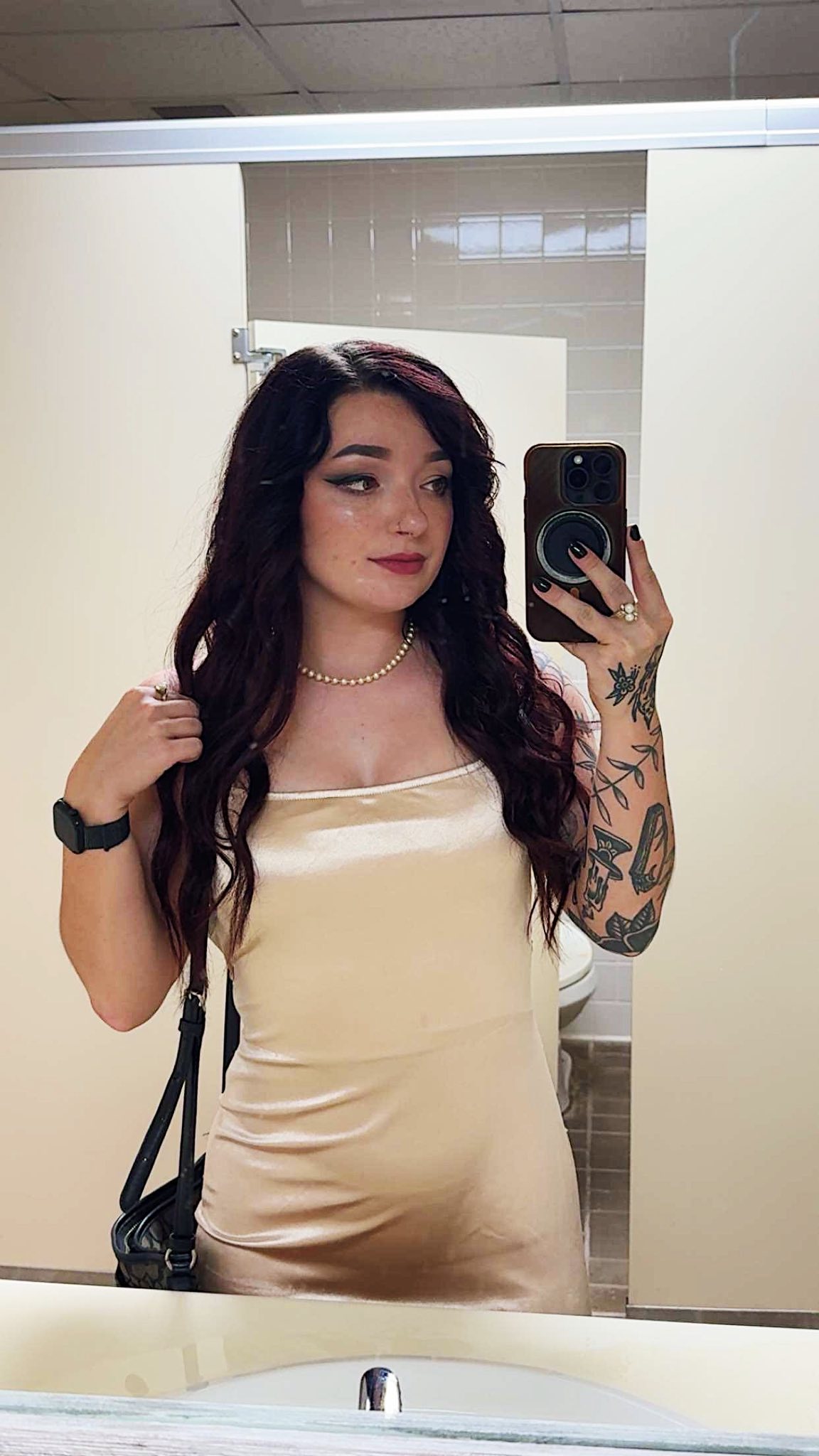
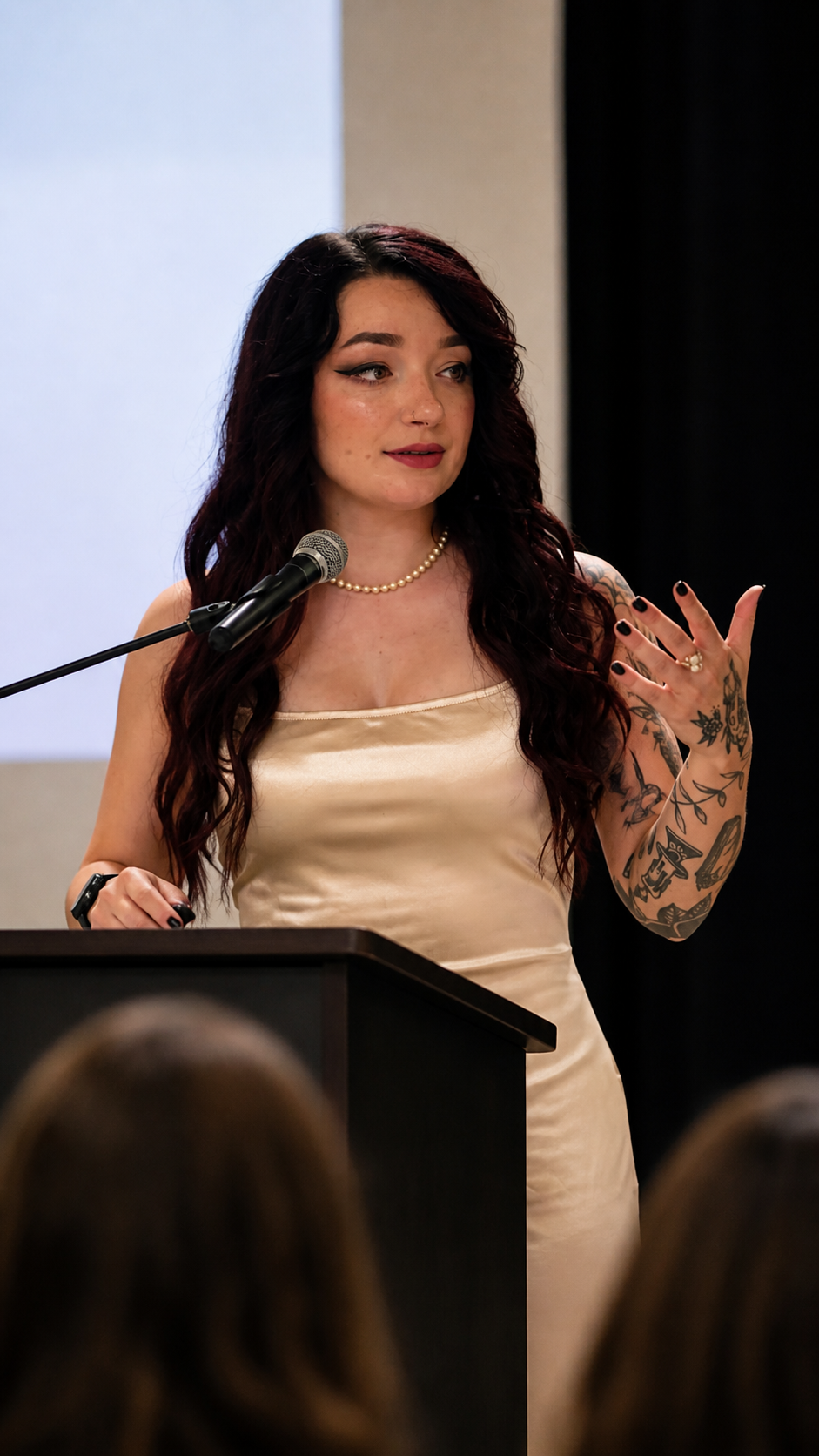
For this post, I created a simple example of what a clearly labeled, respectful AI-generated clip/image could look like in a storytelling context. To test how a story telling format would look, I asked ChatGPT to create a photo of me giving a presentation or story in front of an audience. Use the slider below to see how it changed my mirror selfie into something that tells a story.
What This Means for Creators
If you’re building a brand or working in social media, this kind of tech could open new doors, but it also comes with responsibility.
- Hold yourself and others accountable on misinformation
- Be transparent on what you’re posting and creating
- Give credit where credit is due
Until next time… – Hailey O.
 Hailey's Blog